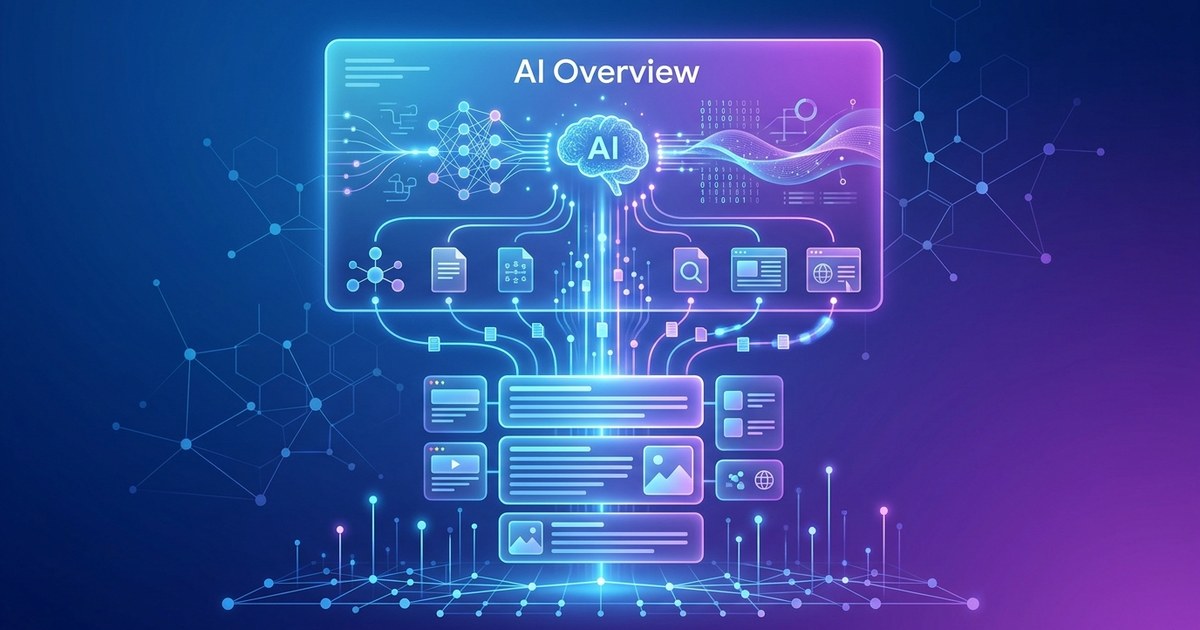
Suppose you ask ChatGPT who the best plumber in Rotterdam is. ChatGPT gives an answer. That answer is not based on keywords, but on entities: recognisable and unambiguous concepts that the system has learned to associate with a particular role, location and reputation. If your business is not recognised as a clear entity, you are simply skipped.
What is an entity?
An entity is a unique, recognisable concept. Your business name is an entity. Your city is an entity. Your specialism is an entity. AI systems and search engines build a network of relationships between entities. They know that Stefan Hendriks is connected to SiteBoosting, that SiteBoosting is based in The Hague, and that SiteBoosting specialises in AI findability. Those connections make you recognisable.
Why does it often go wrong?
Many businesses communicate inconsistently. On the website the business is called something different than on the Google Business Profile, the name is abbreviated in some places and the specialism is described clearly nowhere. AI systems then cannot form a clear picture. The result: fragmentation. The AI recognises you not as a strong entity but as noise.
How do you improve entity recognition?
Consistency is the key. The same name, the same address, the same description on your website, Google Business Profile, social media, industry directories and external mentions. On top of that: structured data through JSON-LD that makes the connections explicit for search engines and AI crawlers.
What does it deliver?
A strong entity is recognised, cited and recommended. A weak entity disappears into the digital noise. Entity recognition is the foundation of everything we do in the area of GEO and AI findability.